Agentic engineering, written down
Build logs, agentic engineering decisions, agent failures, evals, and what survives real users — on Claude Code, agents, RAG, and MCP.

GitHub Actions Artifacts Now Vanish: Keep the Manifest
Preserve GitHub Actions artifact identity, digests and verified copies before expiry removes the provider record from the UI and REST API.
Latest articles
GitHub Actions ‘2,500+’ Is Not an Exact Run Count
A tested method for partitioning saturated GitHub Actions workflow-run queries, enumerating each page and proving coverage from unique run IDs.
Claude Compliance Events Need a Separate Enrichment Gate
A least-privilege pattern for collecting Claude activity with a feed-only key, then resolving names through a case-bound higher-scope service.
AI Employee Onboarding Agent: Cost and Rollout Worksheet
Scope one employee-onboarding workflow with a four-route contract, joined cost worksheet, authoritative read-back and controlled release checklist.
GitHub Proof of Presence Is Not AI Agent Approval
GitHub's identity challenge raises the bar for sensitive actions. AI agents still need exact proposal binding, narrow credentials and read-back.
All articles
GitHub Actions Artifacts Now Vanish: Keep the Manifest
Preserve GitHub Actions artifact identity, digests and verified copies before expiry removes the provider record from the UI and REST API.

GitHub Actions ‘2,500+’ Is Not an Exact Run Count
A tested method for partitioning saturated GitHub Actions workflow-run queries, enumerating each page and proving coverage from unique run IDs.

Claude Compliance Events Need a Separate Enrichment Gate
A least-privilege pattern for collecting Claude activity with a feed-only key, then resolving names through a case-bound higher-scope service.

AI Employee Onboarding Agent: Cost and Rollout Worksheet
Scope one employee-onboarding workflow with a four-route contract, joined cost worksheet, authoritative read-back and controlled release checklist.
GitHub Proof of Presence Is Not AI Agent Approval
GitHub's identity challenge raises the bar for sensitive actions. AI agents still need exact proposal binding, narrow credentials and read-back.

Build a Three-Way Invoice Matching Gate in TypeScript
Implement invoice, purchase-order and receipt matching with typed outcomes, stable duplicate keys, source-system read-back and 15 tested cases.

AI Invoice Processing Pilot: Cost Model and Release Checklist
Scope one accounts-payable workflow with a three-outcome contract, a cost-per-reconciled-invoice worksheet and a controlled release checklist.

OpenAI API Key Governance: Issuance Before Rotation
A production control for OpenAI API keys: restrict issuance, inventory existing credentials, rotate with readback and prove revocation.

Idempotent CRM Writes for AI Sales Agents
A code-first workflow for safe CRM mutations: reservation keys, read-back, divergence handling, human review and retained evidence.

AI Lead Qualification Agent: Cost Model and Release Checklist
Scope one inbound qualification workflow with a three-outcome contract, a cost-per-accepted-route worksheet and a CRM reconciliation checklist.
Pin GitHub Copilot's Defaults Before September 28
Prepare for GitHub Copilot's September 28 policy, retention and Balanced code-review changes with a concrete enterprise release record.

GPT-Live 1 Needs a Backend Authority Boundary
Choose GPT-Live 1 Responses or client delegation by authority, context and result-review needs. Includes a state model, cost ledger and failure tests.

Route GPT-6 Sol and Luna by Accepted Patch Cost
Compare GPT-6 Sol and Luna for coding agents using current pricing, tools and a routing method based on cost per accepted patch.

AI Coding-Agent Pilot: Cost Model and Rollout Checklist
Scope one repository and task class with an editable pilot-cost model, release gate and rollout checklist for engineering leaders.

HVAC After-Hours AI Receptionist: Cost and Rollout Checklist
Scope one after-hours HVAC call workflow with an editable cost model, route acceptance matrix, safety boundaries and release checklist.

B2B SaaS Support: Choose the AI Workflow, Prove the Cost
Choose a support workflow with an editable cost model, five-route exception matrix and rollout checklist. For B2B SaaS support and engineering leaders.
An AI Agent Needs an Operating Contract Before It Needs a Prompt
A machine-readable operating contract, example and dependency-free validator for one production agent workflow.

A Tool Receipt Is Not an Outcome
Use a five-stage write contract and tested validator to distinguish accepted, uncertain, divergent, and verified agent-tool outcomes.
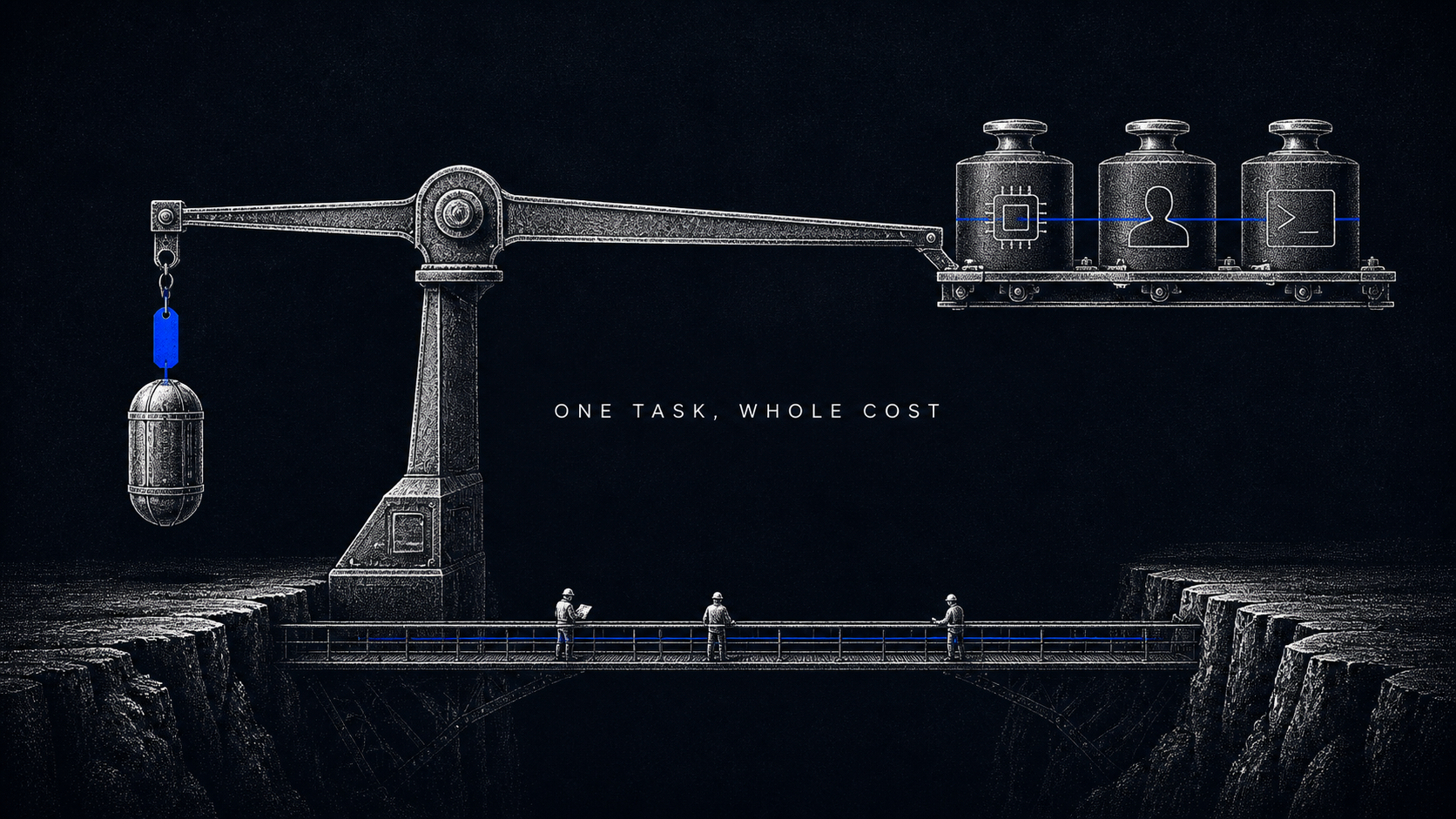
Measure Coding-Agent Cost at the Task Boundary
Join coding-agent usage, human review, rework, and terminal outcomes with one immutable task ID before calculating cost per accepted task.
A Comment Is a Job Submission: A 9-Test Coding-Agent Admission Controller
Build a fail-closed controller for comment-triggered coding agents with policy JSON, dependency-free Node code, and nine tested admission cases.

The Agent Eval Containment Manifest: Fail Closed Before the Run
A machine-readable containment manifest, Node validator, negative canaries, and stop evidence for tool-using AI agent evaluations.
Agent Plugins 1.0 Needs an Enterprise Admission Gate
Validate plugin provenance, MCP authority, client extensions, denial tests, and upgrades before enabling one Agent Plugins 1.0 package across clients.
A Repository Readiness Score Is Not a Coding-Agent Release Gate
Use readiness scores for inventory. Gate coding-agent rollout on pinned runtime behavior, denied actions, merge controls, and full-tuple rollback.

Repository Instructions Need a Release Process
Release AGENTS.md, CLAUDE.md, Copilot, and Gemini instructions through deterministic integrity and real-client compatibility gates.
Your AGENTS.md Is Not a Policy Boundary
Repository instructions are context, not control. Test discovery, scope, compliance, and independent enforcement across five pinned coding-agent surfaces.
Treat AGENTS.md Like Code: A CI Regression Harness for Repository Instructions
Build a repo-specific CI harness for AGENTS.md and CLAUDE.md diffs with paired tasks, hard policy gates, repeated runs, and safe GitHub Actions.

Secure MCP for Coding Agents Across Laptops and CI
A concrete identity, tool-policy, approval, secret, and audit design for MCP servers used by coding agents on laptops and in CI.
Shipment Exception Commander build log
A Claude Managed Agents workflow that scores synthetic shipment recoveries deterministically, challenges the recommendation, requires native human approval, and leaves one replay-safe receipt.
Put a Cost Fuse on Every Copilot CLI Run
Per-session AI credit limits cap one Copilot CLI or SDK run. Wire the soft stop, SDK events, and monthly budget layers without hiding failures.
MCP Security Scanner Alerts Are Leads, Not Verdicts
A scanner cannot admit an MCP server. Pair alert triage with sandboxed runtime tests, capability policy, and drift checks.
A Two-Stage Upgrade Plan for Cloudflare Agents SDK and AI SDK 7
Cloudflare now supports AI SDK 6 and 7 side by side. This migration plan separates framework risk from SDK risk and keeps rollback clean.
MCP Drops the Session: What Stateless Servers Change
MCP 2026-07-28 removes protocol sessions. Redesign routing, state, caching, tasks, identity, and traces without breaking legacy clients.
A Sandbox Is Not a Security Model for AI Coding Agents
The Hugging Face incident exposed the missing layers around agent sandboxes. Ship default-deny egress, brokered identity, and external control.
OpenAI Agents SDK Sandbox Agents: The Production Isolation Playbook
Use OpenAI Agents SDK Sandbox Agents safely: choose the execution boundary, protect secrets, persist state, log runs, and gate production rollout.

CVE-2026-52869: Patch the MCP Python SDK Session Boundary
Patch CVE-2026-52869 in the MCP Python SDK, identify affected HTTP transports, bind sessions to principals, and verify the fix before rollout.
GitHub Code Quality Review: The Production Rollout Rule
GitHub Code Quality costs $10 per active committer plus AI and compute. This review shows what it gates, what it misses, and how to pilot it safely.
Repo Gardener build log
A weekly Claude Managed Agents workflow that reproduces reported bugs, derives issue hygiene mechanically, remembers verified rulings, and never posts without maintainer approval.
Agent Evaluation Frameworks: How to Test AI Agents in Production
What an agent eval actually measures, which framework fits your stack (DeepEval, LangSmith, Braintrust, Phoenix), and the decision rule.
GitHub Copilot Code Review Custom Instructions for Production
Configure GitHub Copilot code review instructions for production with secure head-branch trust boundaries, evals, merge controls, and cost telemetry.
GitHub Copilot Security Review vs CodeQL: What Can Block a Merge?
Use Copilot /security-review for local triage and CodeQL rulesets for merge enforcement. Compare coverage, cost, evidence, and rollout controls.
Upgrade Steward build log
An eve agent that researches breaking dependency changes, proves migrations in a sandbox, and binds pull request publication to human-approved evidence.
Claude Code Agent Teams Review: When Parallel Agents Pay Off
Use Claude Code agent teams only for independent work. Set file ownership, plan review, hook gates, spend limits, and teardown before parallel runs.
Datadog MCP Server Review: Production Guardrails for Agentic Incident Triage
Review Datadog MCP Server limits, pricing, permissions, toolsets, audit logs, and the guardrails required for safe production incident triage.
LLM-as-a-Judge for Production Evals: Building a Judge You Can Trust
Build an LLM-as-a-judge you can trust in production: calibrate against a golden set, control the biases, and know when it should not be the gate.
GitHub Copilot Usage Metrics: What the Dashboard Proves and Misses
Use GitHub's usage API and managed OpenTelemetry together to measure Copilot adoption, runtime health, review flow, and rollout risk.
GPT-5.6 Terra vs Claude Sonnet 5 for Coding Agents: The Routing Rule
Use GPT-5.6 Terra for bounded coding-agent work and Claude Sonnet 5 for long context. Apply the routing policy and repository eval gate.
Claude Sonnet 5 for Coding: What Changes in Production
Roll out Claude Sonnet 5 behind an eval gate. Its launch pricing is strong, but tokenizer and API changes can alter cost, output length, and failures.

Claude Code MCP Servers: The Production Setup Guide
Add HTTP and stdio MCP servers to Claude Code, pick the right scope for your team, pin OAuth scopes, and set the timeouts production needs.
MCP 2026-07-28 Migration: Ship a Dual-Era Server
Migrate an MCP server to 2026-07-28 without breaking legacy clients. Use dual-era routing, state handles, conformance tests, and rollout gates.

Shotmap Agent build log
A BYOK pre-production agent that turns rough video briefs into timed shot maps, continuity ledgers, and generator-ready prompt packets.
Supabase Vector Database for Production RAG
Use Supabase as the vector store when RAG still belongs in Postgres. Add RLS, HNSW, hybrid search, citations, and exit rules before launch.
Codex vs Claude Code Pricing and Usage Limits for Teams
Compare Codex and Claude Code pricing, usage windows, credits, API fallback, and rollout budget rules for production engineering teams.
LangChain Context Engineering for Production Agents
Use LangChain context engineering to control state, tools, memory, compression, and evals before a production agent hits traffic.

Human Approval Gates for AI Agents
Build HITL approval gates for AI agents: where to pause, what to log, how to resume, and how to prevent reviewer rubber-stamping.
AI Gateway for Production: Do You Need One, and Which to Use
What an AI gateway does, when you actually need one, and Vercel vs Portkey vs Cloudflare vs LiteLLM compared on real pricing and control.
Grok API Build Guide: xAI for Production Agents
Use the Grok API when live web/X search and tool-heavy agents matter. Here is the production checklist, pricing, limits, and controls to verify.
What Is an MCP Server? The Production Boundary for AI Tools
An MCP server is the production boundary for tools, resources, and prompts. Learn how MCP works, what to log, and where approvals belong.
OpenAI Prompt Caching for Production AI Apps
Design OpenAI prompt caching around stable prefixes, cached_tokens telemetry, prompt_cache_key routing, and cost math before production traffic.

Repro Card Agent build log
A BYOK agent app for turning noisy bug evidence into coding-agent-ready repro cards.
How to Build an MCP Server for Production Internal APIs
Build an MCP server with typed tools, HTTP transport, OAuth, approval gates, logs, and a release checklist for internal APIs.
AGENTS.md vs CLAUDE.md for Production Coding Teams
Use AGENTS.md as the shared repo contract and CLAUDE.md as the Claude adapter so Codex and Claude Code do not drift apart.
Claude Code Subagents for Production Teams
Use Claude Code subagents for bounded repo work: isolated context, scoped tools, approvals, hooks, memory, and worktree rules for production teams.

First Frame Agent build log
A BYOK agent app for turning rough product notes into image-to-video first-frame slates.

Agent Input Firewall build log
A Codex and Claude Code skill for quarantining untrusted external text before coding agents act.
type-led-launch-design build log
A DESIGN.md skill and static landing-page example for type-led technical product launches.
Shoot Card Agent build log
A BYOK visual director for turning rough product notes into shoot-ready image prompt cards.
Agent Config Audit Build Log
A build log for agent-config-audit, a Claude Code and Codex skill that reviews agent setup files before installation or execution.

Gemini CLI Plan Mode for Production Repos
Use Gemini CLI Plan Mode as a read-only design gate after the Antigravity cutover, with approval, sandbox, quota, and CI rules.
agent-ready-ui Build Log
A build log for agent-ready-ui, a skill that makes web UI flows reliable for browser and GUI agents without brittle selectors.
AI Agent Observability: What to Log Before Production
A production logging contract for AI agents: trace IDs, tool calls, retrieval, cost, eval scores, approvals, and alerts before launch.
design-md-drift-check Build Log
A build log for design-md-drift-check, a skill that checks DESIGN.md drift against real frontend tokens, components, and UI patterns.
Context Engineering vs Prompt Engineering for Production Agents
Context engineering is the production control plane for agents. Learn when prompts matter, what context layers to ship, and what to log before traffic.

Agent Memory for Production AI Systems
Design agent memory as governed state: what to store, what to forget, how to retrieve it, and which evals catch stale or unsafe recall.
Video Probe MCP Build Log
A build log for video-probe-mcp, a narrow MCP server that lets agents inspect local video and audio files with ffprobe.

Trace-to-Eval Builder Build Log
A build log for Trace-to-Eval Builder, a BYOK app that turns agent traces into replayable eval packs.
Agent Runbook Auditor: A BYOK Launch Review Tool for Agent Workflows
A build log for Agent Runbook Auditor, a BYOK OpenAI demo that reviews agent runbooks for launch risk, trace design, eval cases, guardrails, and rollout readiness.
AWS MCP Server for Production Agents: The Build-or-Boundary Rule
Use AWS MCP Server for AWS-native agent access, then add custom approval, tenant policy, evals, and run logs where production risk starts.
CLAUDE.md File Best Practices for Production Teams
Write a CLAUDE.md that keeps Claude Code useful in production: scope memory, keep rules concise, move enforcement to hooks, and review drift.

OpenAI Agents SDK vs Pydantic AI for Production Agents
Choose OpenAI Agents SDK for OpenAI-native runs. Choose Pydantic AI when typed Python, provider flexibility, and durable approvals matter.
Codex vs Claude Code vs Gemini CLI for Production Teams
A production rollout comparison of Codex CLI, Claude Code, and Gemini CLI after Google's Antigravity transition, with security and telemetry rules.
Vercel AI Gateway vs OpenRouter for Production Model Routing
Choose Vercel AI Gateway for Vercel-native routing and OpenRouter for broad provider reach. Compare pricing, failover, BYOK, and observability.

MCP Sampling vs Elicitation for Production Servers
Use MCP sampling for client-owned model calls and elicitation for user input. Set the production boundary, approval flow, and logging rules.
Hybrid Search for Production RAG: The BM25, Vector, and Rerank Rule
Use hybrid search when vector-only misses exact terms. Compare BM25, vectors, fusion, reranking, evals, and the production logging gate.
Claude Code Planning Mode for Production Teams
Use Claude Code planning mode as a production review gate: when to plan first, how to approve safely, and what teams should log before rollout.
Google ADK vs LangGraph for Production Agents
Compare Google ADK and LangGraph for production agents: state, human approval, deployment, observability, pricing, and the decision rule.

MCP Resources vs Tools: The Production Server Rule
Use resources for client-controlled context, tools for model-invoked actions, and prompts for reusable user-selected workflows.

MCP Authorization for Production Servers
Build MCP authorization with OAuth, Protected Resource Metadata, token audience checks, consent, approvals, logs, and production release gates.

OpenAI Agents SDK TypeScript vs Python for Production Agents
Choose TypeScript or Python for OpenAI Agents SDK by production ownership: product runtime, worker path, tracing, guardrails, handoffs, MCP, and evals.
Claude Code Security Review for Production Teams
Use Claude Code security review as early signal, not an approval gate. Here is the rollout pattern, CI split, permissions, hooks, and logs.

OpenAI Agents SDK Tracing: What It Shows in Production
Use OpenAI Agents SDK tracing as run inspection, not full observability. Configure sensitive data, flushing, trace exports, evals, and approvals.
Gemini CLI vs Antigravity CLI: The Production Migration Rule
Google is moving Gemini CLI users to Antigravity CLI. Compare migration work, access risk, controls, and when to choose Claude Code or Codex.
Model Routing for Production AI Apps
A production workflow for model routing across managed routers, provider marketplaces, and app-owned policy layers.

AI Agent Observability Tools for Production Teams
Compare LangSmith, Langfuse, Phoenix, and Helicone for production AI agent traces, evals, cost telemetry, and approval control.

Prompt Versioning for Production AI Systems
Version prompts with code, evals, promotion labels, rollback, and run telemetry after OpenAI deprecated reusable prompt objects.

RAG Evaluation Metrics Before Launch
Use a production RAG eval gate for retrieval quality, groundedness, answer correctness, answer relevance, and regression risk.
Human-in-the-Loop AI Agents: Approval Gates for Production
Where to put human approval gates, how to preserve agent state, what reviewers need, and when to move from human-in-the-loop to monitored automation.
LangChain vs LangGraph for Production Agents
Use LangChain for simple agent harnesses. Use LangGraph when production agents need durable state, retries, interrupts, approvals, and deployment.
AI Agent Monitoring: What to Track Before Production Traffic
Trace runs, score outcomes, attribute cost, and route risky actions before production AI agents receive more traffic.
MCP Security Best Practices for Production Servers
Ship MCP servers with per-client consent, audience-bound tokens, strict schemas, approval gates, isolation, and logs that catch tool abuse.

Codex vs Claude Code for Production Teams
Claude Code is the better first rollout for terminal-first teams. Codex wins for delegated cloud tasks, PR review, and compliance-visible agent work.
Claude Code Pricing for Teams: The Production Rollout Cost
Claude Code pricing starts at $20, but teams need a seat mix, usage credits, API fallback controls, analytics, and rollout policy.
Pgvector vs Pinecone for Production RAG
Choose pgvector when retrieval belongs in Postgres. Choose Pinecone when scale, namespaces, or managed ops justify a separate vector system.
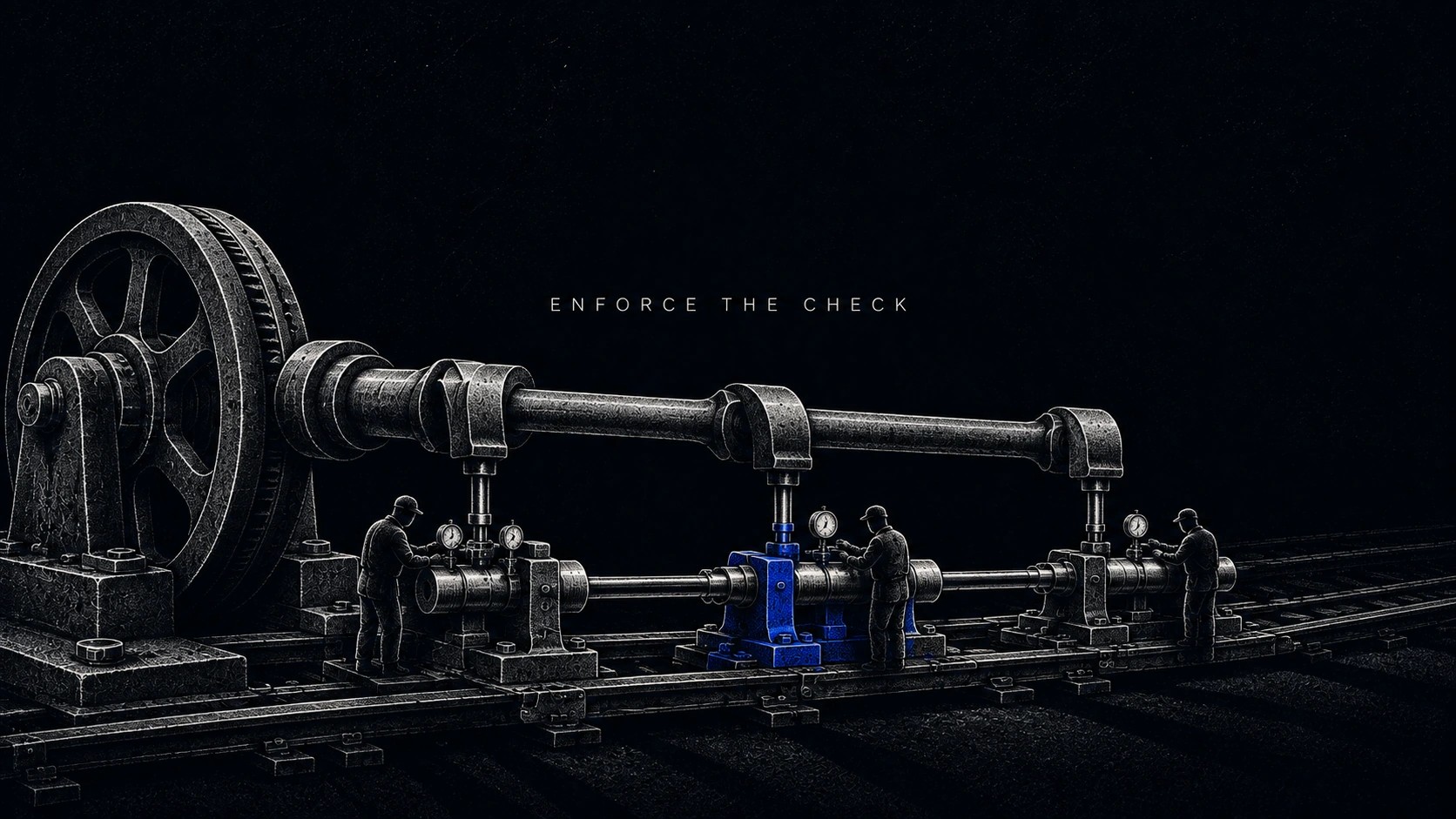
Claude Code Hooks for Production Teams
Use Claude Code hooks as deterministic team guardrails for tests, protected files, command logging, permissions, and safe rollout.
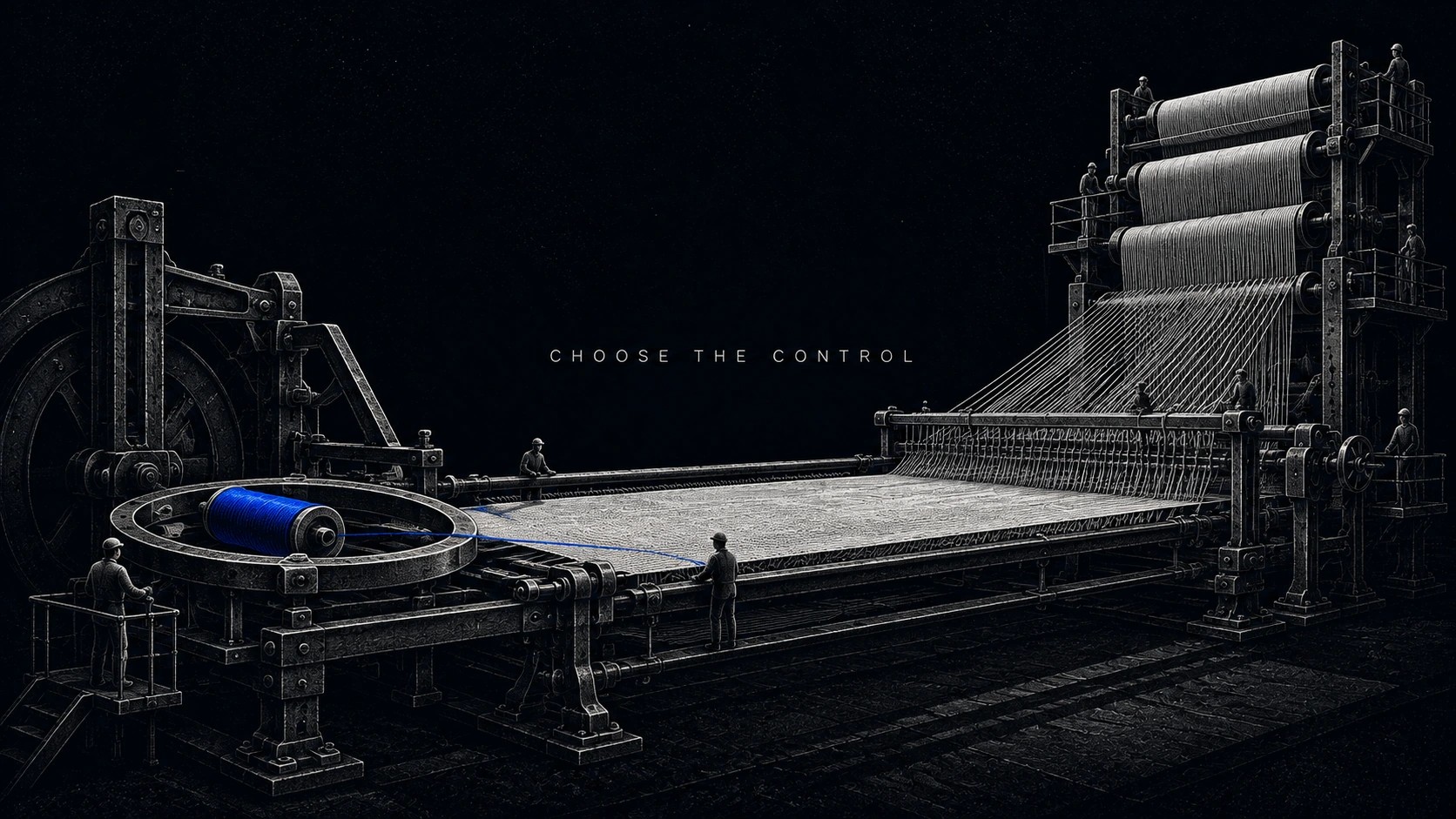
OpenAI Agents SDK vs LangGraph for Production Agents
Choose OpenAI Agents SDK for OpenAI-native loops. Choose LangGraph when durable graph state, provider freedom, and custom control matter.
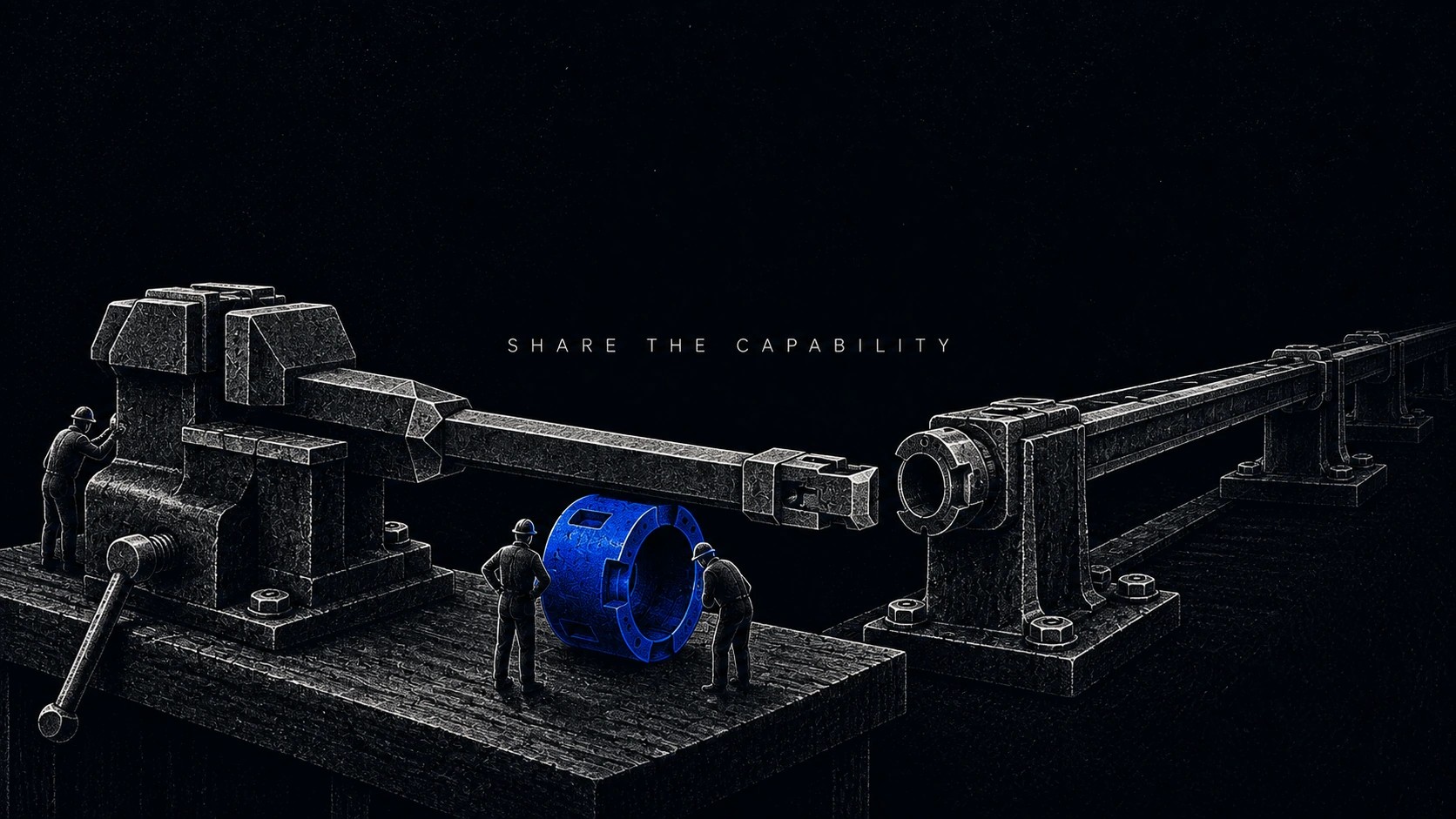
MCP vs Function Calling: The Production Decision Rule
Use function calling for app-local tools. Build MCP when a capability must be shared, discovered, approved, logged, and reused across agents.
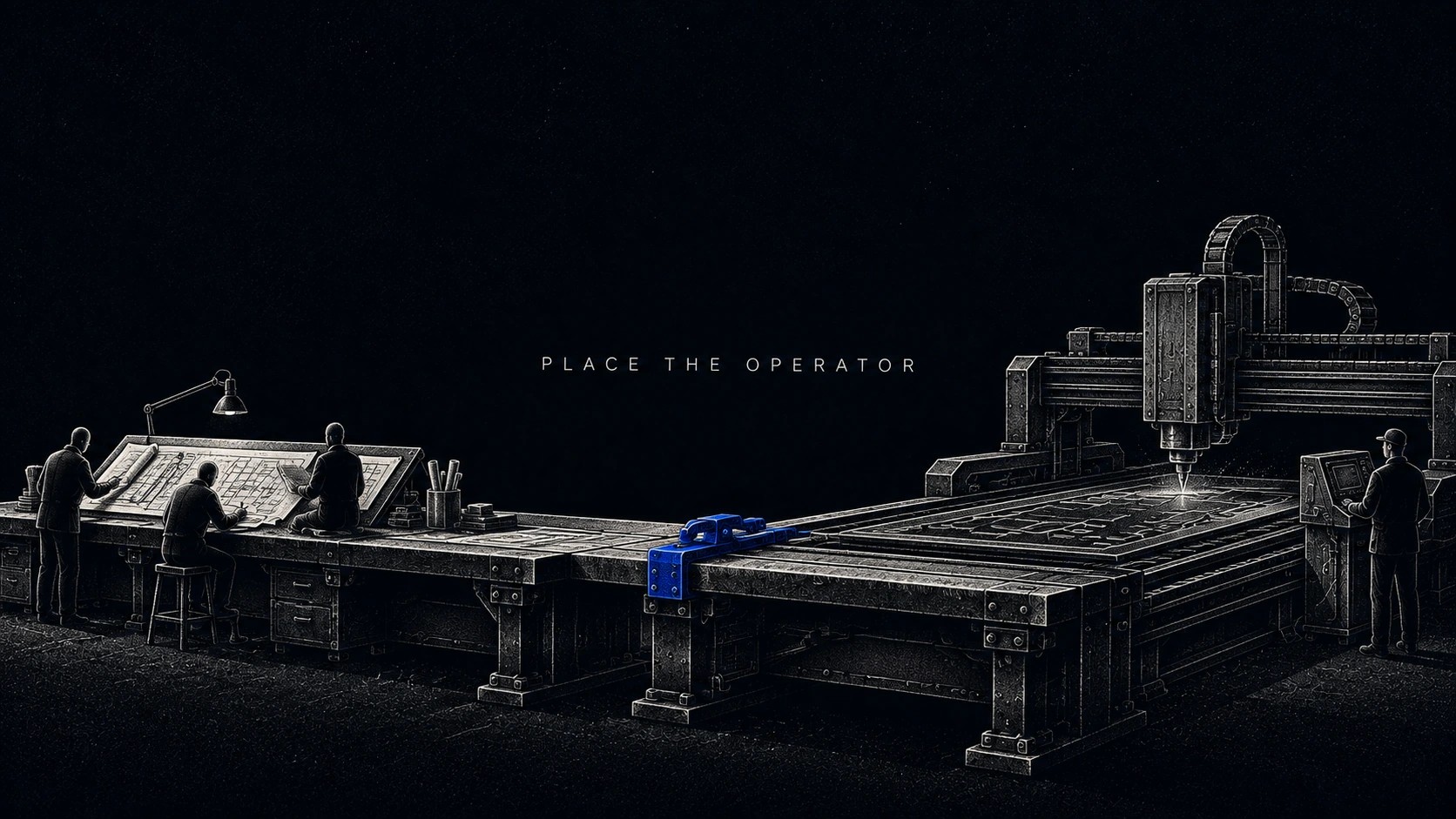
Claude Code vs Cursor for Production Teams
Use Cursor for daily IDE work and Claude Code for governed terminal delegation. Compare costs, controls, security, and rollout rules.
Langfuse vs LangSmith for Production Observability
Choose Langfuse for self-hosted, framework-neutral traces. Choose LangSmith for managed LangChain evals, review, alerting, and deployment.