An OpenAI Agents API session is durable control-plane state. A self-hosted sandbox is provider compute that can disconnect, lose files or keep running after the session changes. Ship them with separate lifecycles and one idempotent controller, or a harmless-looking webhook race can duplicate compute, kill live work or replay an uncertain effect.
The production verdict
Do not wire agent.session.created to “start a VM” and agent.session.idle to “stop the VM.” That shortcut confuses events with authority.
For a self-hosted Agents API environment, put one application-owned lifecycle controller between signed OpenAI events and the compute provider. It should:
- retrieve current session state before provisioning or stopping anything;
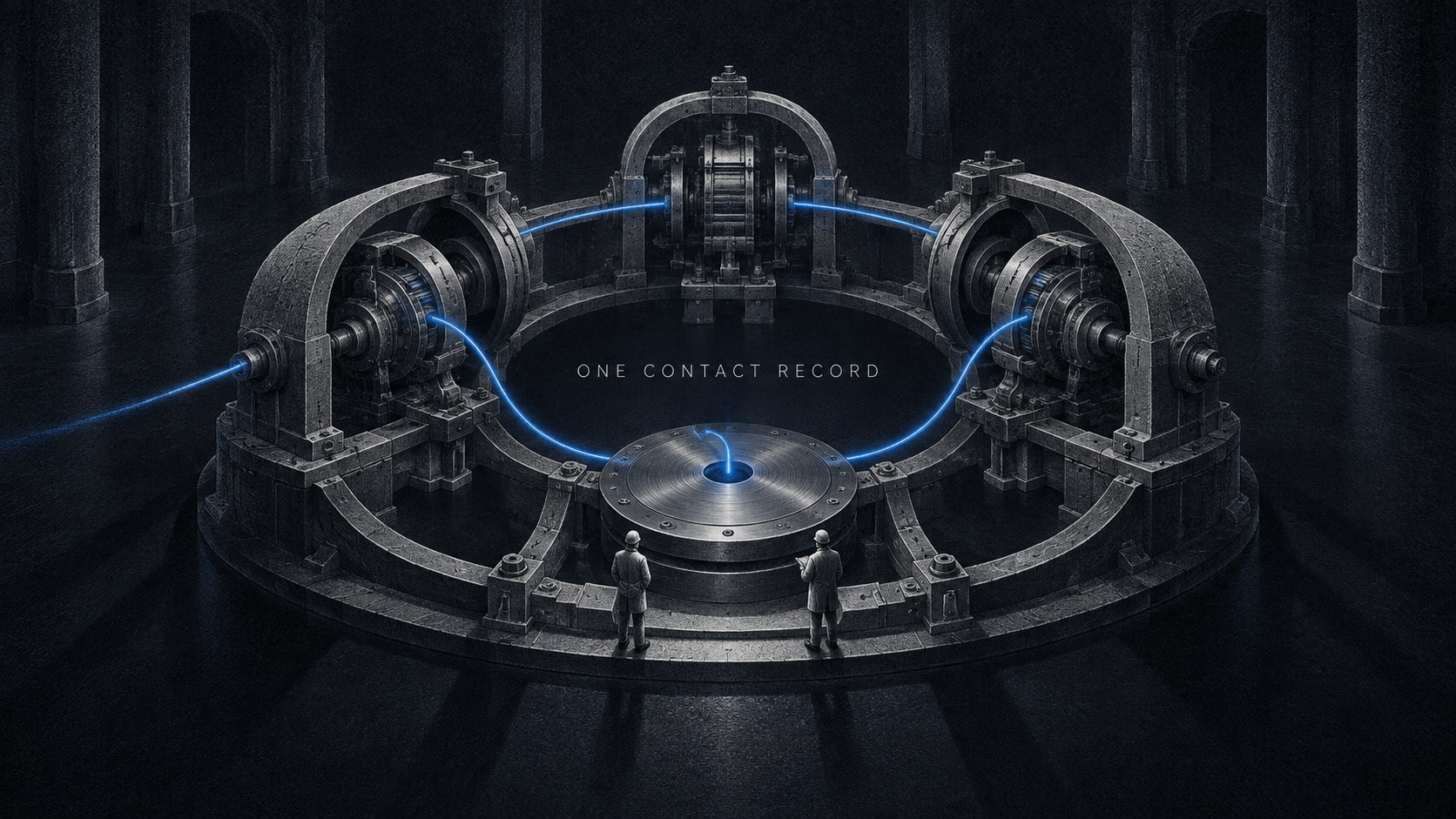
- keep exactly one session-to-environment-to-compute mapping;
- start or reconnect compute only for a current
environment_connectionrequirement; - treat
idleas a hint, never a shutdown command; - reconcile tool effects and saved state after a disconnect or timeout;
- close the Agents API session and provider compute as separate operations.
This is not a generic reaction to the Agents API launch. The useful new boundary is in the current lifecycle documentation. OpenAI manages the Codex harness and durable session. Your application still owns self-hosted compute, executor connectivity, files and cleanup.
One agent run now has three state owners
The Agents API architecture separates the managed harness, the optional execution environment and the application server. With environment.type: "self_hosted", the application provisions compute and connects an executor to the environment assigned to the session.
Those parts can disagree:
| Record | Owner | What it proves | What it does not prove |
|---|---|---|---|
| Agents API session | OpenAI | Current session, turn and required-action state | Provider compute exists or files survived |
| Environment mapping | Your controller | Which environment belongs to which provider instance | The executor is healthy or work completed |
| Provider compute | Your infrastructure | VM/container status, storage and executor process | The session still wants it or accepts its output |
The Agents API overview calls a session durable and says the service retains its state across turns. The sandbox lifecycle guide is equally explicit that a session can outlive its environment. Reusing the environment ID does not restore files in replacement compute.
Treat this as a join, not a mirror. A durable session does not make compute durable. A running VM does not make a turn active. A connected executor does not prove that a tool effect was accepted.
Start from a current requirement, not a historical event
OpenAI documents agent.session.action_required with required_action.type: "environment_connection" as the signal that a self-hosted session needs its executor. That is more precise than starting compute for every created session.
The safe path is deliberately two-stage:
- Verify the webhook signature and place the event on a durable queue.
- Let one worker retrieve the session and inspect its current required actions.
- Ignore deleted sessions and already-resolved connection requests.
- Acquire a lock on the session-to-compute mapping.
- Reuse or reconnect the one owned instance when it exists. Create one only when it does not.
- Record the provider instance ID before releasing the lock.
OpenAI's lifecycle guide says repeated or concurrent requests must not create duplicate environments and recommends one component to manage each session's environment. That makes idempotency a provider-control concern, not only a webhook concern.
Use a stable effect key such as:
agents-api:environment:{environment_id}:computeThe mapping record should retain session_id, environment_id, provider instance ID, executor generation, connection state, workspace snapshot reference and last reconciled event ID. A webhook delivery can repeat. A worker can crash after provider creation and before acknowledgement. The effect key lets the next worker discover and adopt the same compute instead of creating a second billable machine.
Idle is not shutdown authority
The dangerous event is the one with the friendliest name.
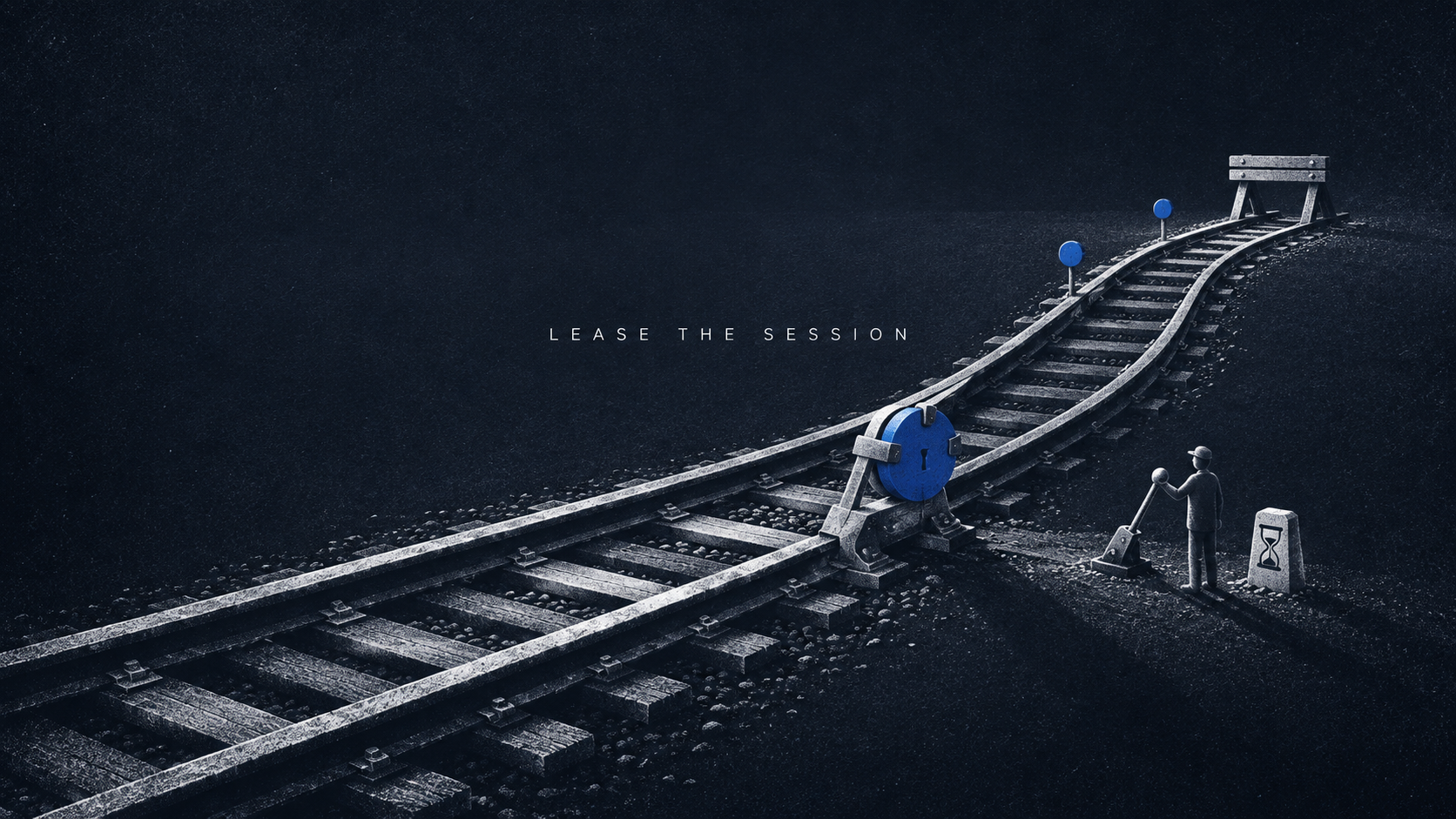
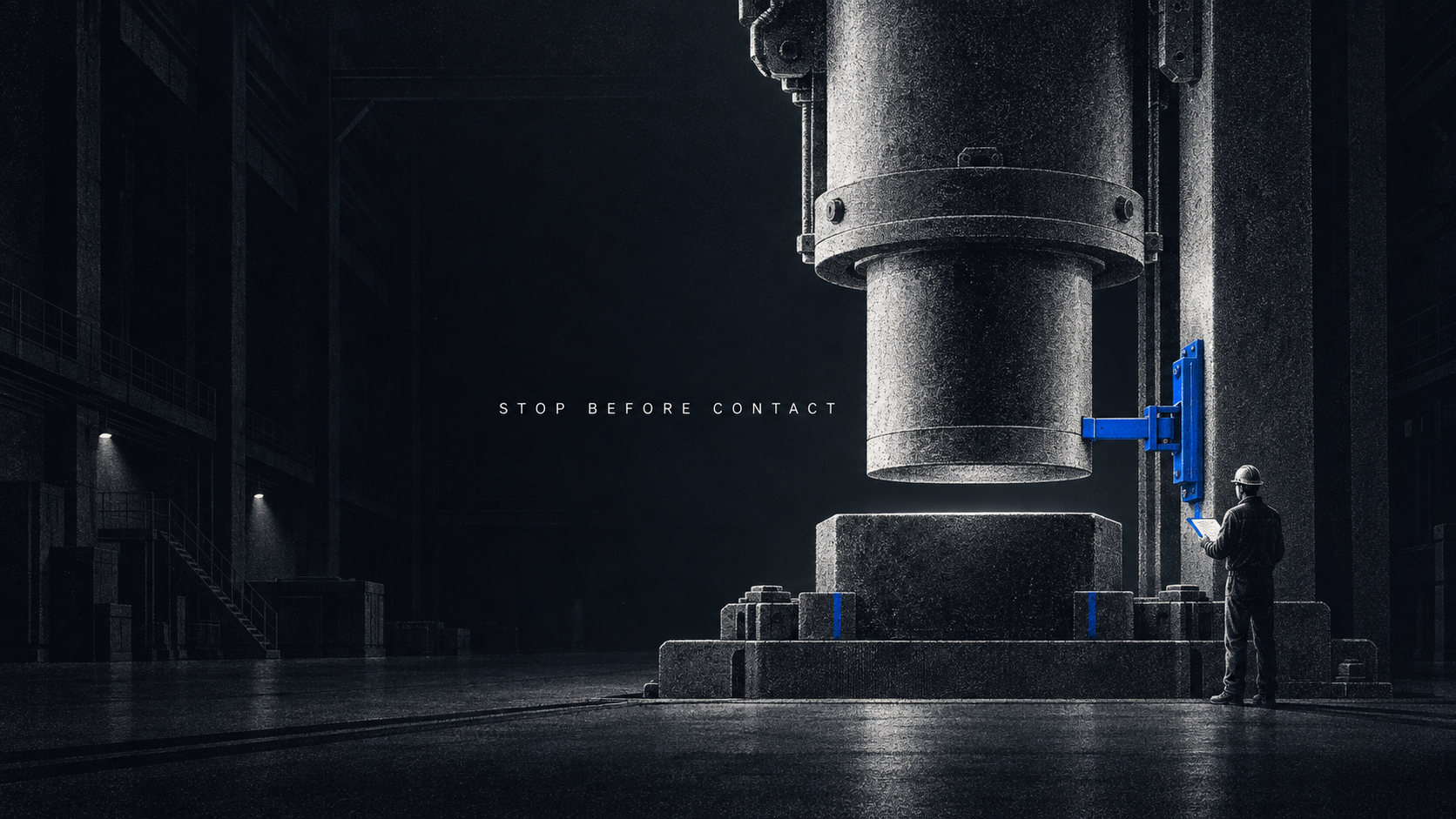
The session webhook guide defines agent.session.idle as ready for more input. The lifecycle guide warns that an idle event may arrive when a connection request clears, before waiting input starts its turn. Stopping compute immediately can therefore tear down the environment beneath work that is about to begin.
Use a shutdown lease:
{
  "sessionId": "sess_17",
  "environmentId": "env_17",
  "providerInstanceId": "vm_17",
  "idleObservedAt": "2026-09-30T06:20:00Z",
  "notBefore": "2026-09-30T06:25:00Z",
  "expectedSessionStatus": "idle",
  "expectedExecutorGeneration": 4
}
The five-minute grace period above is an illustrative DVNC pilot setting, not an OpenAI limit. The control is the recheck:
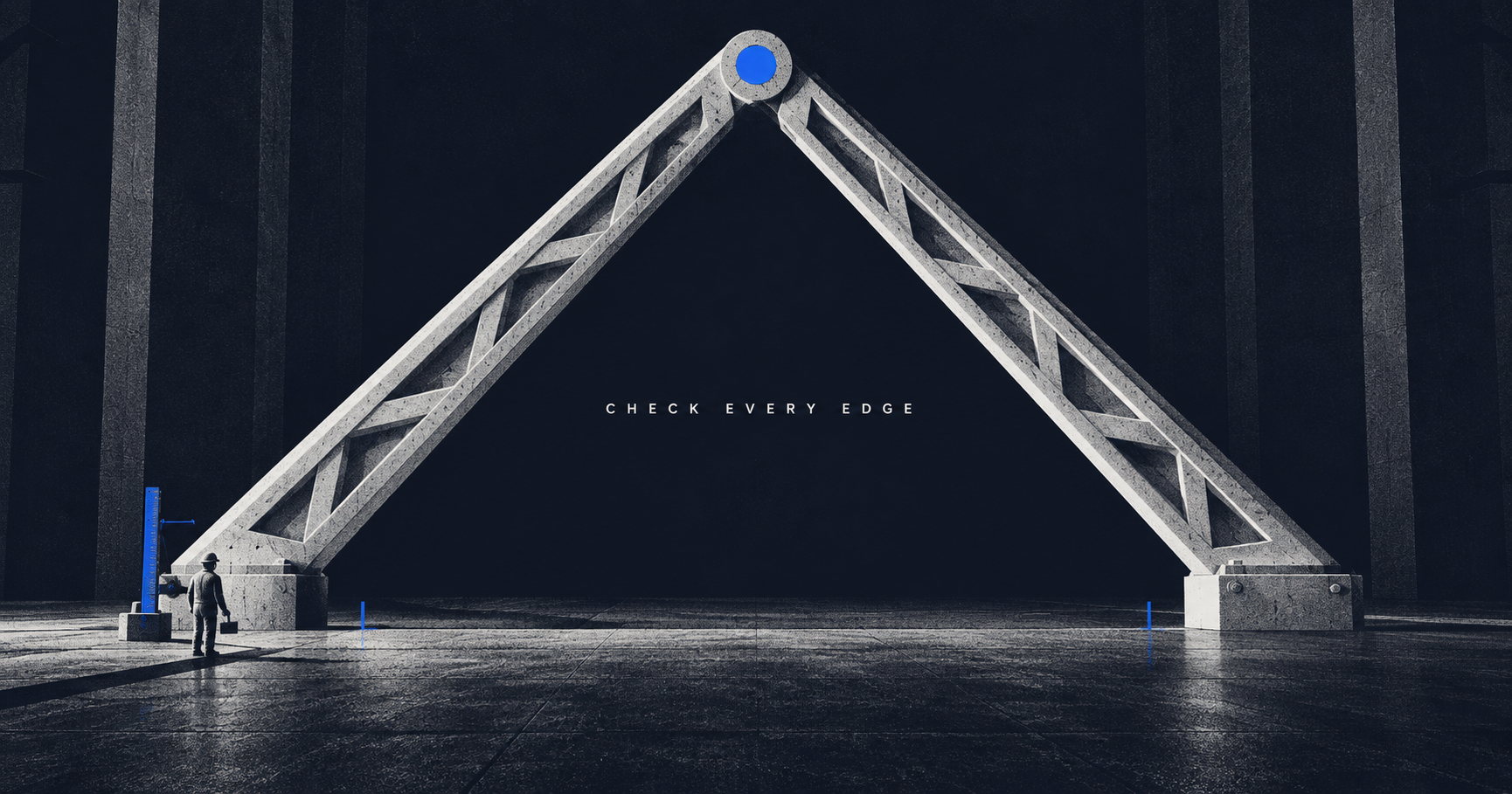
- cancel the pending stop if new input, an active turn or an environment connection request appears;
- retrieve the session again after the grace period;
- confirm no turn or required action is pending;
- stop the exact provider instance and executor generation in the lease;
- record provider read-back that compute is no longer running.
If the application cannot coordinate shutdown with incoming work, OpenAI's guidance is to keep compute running. That costs more than an eager stop, but it is cheaper than corrupting an active workflow while the lifecycle controller is still immature.
A completed turn can still contain a failed tool
A self-hosted executor can disconnect mid-turn. The lifecycle docs say that the turn may still complete while a tool fails, and that the disconnect does not automatically reconnect the executor or restart a killed command.
Do not map turn completed to workflow completed. Reconcile at least four layers:
- Turn: Did the managed harness reach a terminal state?
- Tool: Did each intended command or application tool produce a terminal result?
- Workspace: Are required files present in the current compute or an external snapshot?
- Business effect: Does the authoritative system show the intended change once?
This matters most when the command crossed a mutable boundary. A deployment call, ticket update or repository write may have succeeded just before the executor disconnected. Blindly asking the agent to repeat “unfinished work” can apply the effect twice.
The Agents API recovery guide says a failed turn may already have changed files or called external tools. It tells operators to inspect saved work and completed effects before retrying. The same rule applies when the client saw a timeout: an absent response is unknown, not failed.
The lifecycle guide adds two sharper constraints. The API can wait up to five minutes for an input-time environment connection, and it does not guarantee recovery of pending input after a process crash. Do not resubmit while the original request is still waiting. After a timeout, retrieve the session, turn and tool items before deciding whether to continue, compensate or hold for an owner.
Cleanup is a two-resource transaction
Deleting an Agents API session removes it from the API, with physical cleanup potentially continuing asynchronously. For a self-hosted environment, OpenAI says deletion neither stops provider compute nor emits a deletion webhook.
That means cleanup needs an application-owned terminal record:
{
  "sessionId": "sess_17",
  "sessionDeleted": true,
  "providerInstanceId": "vm_17",
  "computeStopped": true,
  "executorRevoked": true,
  "workspaceDisposition": "snapshot-retained",
  "effectReconciliation": "observed"
}
Order the operation around your recovery requirements. Stop accepting new input, coordinate with any startup already in progress, reconcile mutable effects, preserve the files or artifacts you need, delete the session, stop compute and revoke the environment credential. If either deletion or provider stop is ambiguous, retain cleanup_required and reconcile instead of issuing the same destructive call in a loop.
Provider read-back is the terminal evidence. A successful stop request is only acceptance by the provider. The controller should observe the instance in a stopped or absent state and record which snapshot, volume or artifact set remains.
The reference controller passes 19 lifecycle cases
I built a dependency-free controller for the release decision and ran 19 synthetic cases. It is reference code, not a test of OpenAI's beta service or a cloud provider.
The controller returns separate statuses for the states teams are tempted to collapse:
| Status | Meaning |
|---|---|
start_or_reconnect | A current environment connection action needs compute |
keep_running | No safe stop condition exists yet |
stop_ready | Idle survived a grace period and a current-state recheck |
reconcile | A disconnect or failed session may have left effects |
uncertain | Pending input timed out without an authoritative outcome |
cleanup_required | Session is terminal but provider compute still runs |
divergent | More than one compute instance maps to the environment |
closed | Session and compute are both absent |
The core call is intentionally plain:
import { decideSandboxLifecycle } from "./lifecycle-controller.mjs";

const decision = decideSandboxLifecycle(observed);

if (decision.status === "start_or_reconnect") {
  return ensureOneComputeInstance(observed.environmentId);
}

if (decision.status === "stop_ready") {
  return stopAndReadBack(observed.computeInstances[0]);
}

if (["reconcile", "uncertain", "divergent"].includes(decision.status)) {
  return routeToPlatformOwner(decision);
}
The cases cover duplicate compute, deleted or failed sessions with live compute, environment connection requests, mid-turn disconnect, input timeout, idle before and after a recheck, and an active turn with no compute. Adapt the provider adapter, not the evidence states.
Release gate for a self-hosted environment
Run this gate before moving a real workflow onto self-hosted Agents API compute.
Persist the three-way mapping
Store session, environment and provider instance IDs outside the sandbox. Make one controller the owner of that mapping.
Make provisioning idempotent
Replay the same signed event concurrently and prove only one provider instance exists.
Race input against shutdown
Deliver new input while an idle grace period is running. The pending stop must cancel before compute changes state.
Break the executor mid-tool
Disconnect during a mutable tool call. Require tool and source-system reconciliation before any retry.
Replace compute
Start a fresh instance for the same environment and prove files return only from an explicit snapshot or external store.
Delete only the session
Verify that live provider compute becomes
cleanup_required, not silently closed.Stop only compute
Verify that a surviving session reconnects through a current environment connection action rather than an invented replay.
The buyer decision is not whether the Agents API can manage a long-running harness. It can. The decision is whether your platform team is prepared to operate the remaining distributed system around a self-hosted environment. If the answer is no, start with the OpenAI-hosted environment or environment.type: "none", and earn the self-hosted path through lifecycle tests.
Frequently asked questions
Does deleting an OpenAI Agents API session stop a self-hosted sandbox?
No. OpenAI's lifecycle documentation says session deletion and provider-compute shutdown are separate, and deleting a session does not emit a deletion webhook. Your application must stop and verify its compute.
Can I stop self-hosted compute when agent.session.idle fires?
Not from that event alone. OpenAI warns that idle can arrive between an environment connection and waiting input. Use a grace period, cancel on new work and retrieve current state again before stopping the owned instance.
Will reconnecting the same environment ID restore sandbox files?
No. OpenAI says reusing the environment ID does not restore files in replacement compute. Preserve required state in provider storage, snapshots or an external store.
Should I retry after an Agents API executor disconnects?
Only after retrieving the session and turn, inspecting tool results and reconciling external effects. A turn can complete while a tool fails, and an uncertain write may already have happened.